
In the fickle world of music, where trends shift like sand dunes and artists can fade into obscurity overnight, a true comeback is nothing short of magical. It’s that moment when a musician, written off as irrelevant, past their prime, or simply absent for years, storms back with something fresh, resonant, and undeniable. These aren’t just releases; they’re statements of resilience, reinvention, and sometimes redemption. Whether it’s after personal turmoil, industry blackballing, or a deliberate hiatus, comebacks remind us why we love music: it’s timeless, and so are the greats.
In this post, we’ll dive into some of the best comeback albums and singles of all time. I’ve focused on artists who vanished for extended periods—think five years or more—or were deemed “over” by critics and fans alike. These picks span genres, eras, and stories, proving that comebacks aren’t just about chart success; they’re about cultural impact. Let’s crank up the volume and revisit these triumphs.
Mariah Carey – The Emancipation of Mimi (2005)
After the catastrophic flop of 2001’s Glitter soundtrack—plagued by poor reviews, a public breakdown, and a messy split from her label—Mariah Carey was the punchline of pop culture. Tabloids painted her as unstable, and her once-unbeatable hit streak seemed shattered. Enter The Emancipation of Mimi, her 10th studio album, released after a four-year silence. Clocking in at 14 tracks, it was a bold R&B-pop hybrid that reclaimed her vocal prowess while nodding to hip-hop influences.
Lead single “We Belong Together” spent 14 weeks at No. 1 on the Billboard Hot 100, becoming one of the biggest songs of the decade. Tracks like “It’s Like That” and “Shake It Off” showcased a confident, carefree Mariah, free from the baggage of her past. The album sold over 10 million copies worldwide, earned eight Grammy nominations, and solidified her as the “Queen of Comebacks.” It wasn’t just a return; it was emancipation from doubt, proving that vulnerability could fuel invincibility.
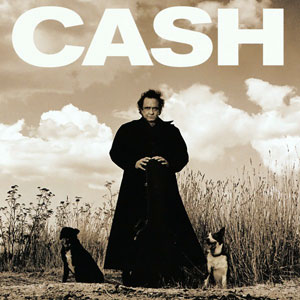
Johnny Cash – American Recordings (1994)
By the early ’90s, the Man in Black was a country legend turned has-been. Dropped by Columbia Records after decades of service, battling addiction and health issues, Cash hadn’t had a major hit in years. At 62, he was touring small venues, far from his ’60s glory. Then, producer Rick Rubin stripped everything back for American Recordings, Cash’s first album in a new series that spanned his final decade.
Recorded in Rubin’s living room with just Cash and his guitar, it featured haunting covers like “Delia’s Gone” and originals like “Drive On.” The stark, intimate sound highlighted Cash’s weathered voice, turning perceived weaknesses into strengths. It won a Grammy for Best Contemporary Folk Album and reignited interest in his catalog. This wasn’t a flashy pop comeback; it was a raw, existential one, influencing everyone from alt-country acts to hip-hop samplers. Cash’s late-career renaissance, culminating in covers like “Hurt,” showed that comebacks can be about legacy, not just youth.
Santana – Supernatural (1999)
Carlos Santana’s guitar wizardry defined the ’70s with hits like “Black Magic Woman,” but by the ’90s, he was relegated to nostalgia acts. No major album in over a decade, and Latin rock seemed passé in the grunge and hip-hop era. At 52, he teamed with Clive Davis for Supernatural, a star-studded fusion of rock, Latin rhythms, and pop hooks.
Featuring collaborations with Rob Thomas (“Smooth”), Lauryn Hill (“Do You Like the Way”), and Eagle-Eye Cherry, it was a masterclass in relevance without selling out. “Smooth” topped the charts for 12 weeks, blending Santana’s signature licks with modern production. The album sold 30 million copies, won nine Grammys (including Album of the Year), and introduced Santana to a new generation. It proved that cross-generational, cross-genre magic could resurrect a career thought dormant, turning “irrelevant” into iconic.
Tina Turner – Private Dancer (1984)
Escaping an abusive marriage to Ike Turner in 1976 left Tina broke, blacklisted, and performing cabaret shows to survive. By the early ’80s, at 44, she was seen as a relic of the ’60s soul scene. Private Dancer, her fifth solo album, changed everything after an eight-year gap from major success.
With synth-pop production and rock edges, tracks like “What’s Love Got to Do with It” (her only No. 1 single) and “Private Dancer” showcased her raspy power. Covers of “Let’s Stay Together” and “Better Be Good to Me” added soulful depth. Selling over 20 million copies, it earned four Grammys and launched her into stadium stardom. Turner’s comeback was a feminist anthem: from victim to victor, proving age and adversity couldn’t dim raw talent.
Black Sabbath – 13 (2013)
The godfathers of heavy metal had been through hell: lineup chaos, health battles (including Ozzy Osbourne’s ousting and rehiring), and long stretches without original members. After 1998’s reunion attempts and sporadic tours, the classic lineup (Osbourne, Iommi, Butler) hadn’t released a full studio album together since 1978’s Never Say Die!. By the 2010s, with Iommi battling cancer and the band seemingly done, expectations were low.
13 arrived after a 35-year studio album gap for the core trio, a dark, riff-heavy beast produced by Rick Rubin. Tracks like “God Is Dead?” and “End of the Beginning” delivered crushing doom with modern heft, while “Loner” showed emotional depth. It debuted at No. 1 in multiple countries, earned Grammy nods, and reminded everyone why Sabbath invented the genre. This wasn’t nostalgia bait; it was a ferocious statement that metal’s pioneers could still innovate after decades away.
Adele – 25 (2015)
After 21 (2011) sold 31 million copies, Adele vanished for four years to focus on motherhood and vocal recovery. Whispers grew: Was she done? At 27, 25 shattered expectations with “Hello,” a piano ballad that amassed 1 billion YouTube views in record time. The album’s soulful introspection on tracks like “When We Were Young” and “Send My Love” echoed her heartbreak anthems but with maturity.
Selling 22 million copies, it broke first-week sales records and won Grammys. Adele’s hiatus built anticipation, turning her return into a global event. It highlighted how strategic absence can amplify impact, especially in the streaming age where oversaturation kills buzz.
Fleetwood Mac – Rumours (1977)
By 1976, Fleetwood Mac was barely holding together. After years of lineup changes and moderate success, the band was fracturing under the weight of two disintegrating relationships (the McVies’ divorce and Buckingham-Nicks breakup) plus heavy drug use. Their previous album, the self-titled Fleetwood Mac (1975), had done well, but the internal chaos suggested implosion was imminent. Instead, they channeled the wreckage into Rumours.
The result was seismic: “Dreams,” “Go Your Own Way,” “Don’t Stop”—raw emotional warfare set to pristine pop-rock. The album spent 31 weeks at No. 1, sold over 40 million copies, and became one of the best-selling albums ever. It turned personal devastation into universal anthems, proving that sometimes the best comebacks emerge from near-collapse. Rumours wasn’t just a return to form; it redefined what the band could be, transforming them from cult favorite into rock royalty.
Kate Bush – “Running Up That Hill” (Cultural Resurgence, 2022)
Comebacks don’t always require new music—sometimes, they’re about the world finally catching up. Kate Bush had been reclusive since her 2014 live shows, with her last album (50 Words for Snow) released in 2011 to modest attention. Then, in 2022, Stranger Things featured “Running Up That Hill” from her 1985 masterpiece Hounds of Love, and the song exploded.
Thirty-seven years after its original release, it hit No. 1 globally, introduced Bush to Gen Z, and sent her entire catalog streaming into the stratosphere. This wasn’t a traditional comeback—no new album, no tour—but a serendipitous rediscovery that proved timeless art doesn’t need repackaging. Bush’s resurgence showed that sometimes the best comeback is simply being undeniable enough that culture circles back to you. While unconventional compared to our other entries, it’s a reminder that great music never truly disappears—it just waits for the right moment.
Wrapping Up the Encore
These comebacks underscore music’s redemptive power. From Mariah’s chart dominance to Cash’s stripped-down soul, and rock heavyweights like Sabbath and Fleetwood Mac rising from chaos, they show that breaks—forced or chosen—can fuel creativity. In today’s fast-paced industry, with artists like Linkin Park teasing new eras post-tragedy or classic rock revivals, the formula remains: authenticity plus timing equals triumph. What’s your favorite comeback?