Let’s be honest—making music is the easy part. Getting people to actually hear it? That’s where the real challenge begins.
I’ve been there. You pour your heart into a track, spend countless hours in your home studio getting every note just right, and then… crickets. It’s frustrating. But here’s what I’ve learned after years of releasing indie rock as a one-man-band: promotion doesn’t have to feel like selling out. It can be an extension of your artistry.
Here are eight strategies that actually work—without compromising who you are as an artist.
1. Show Up on Social Media (As Yourself)
Social media isn’t just about posting polished content. It’s about connection.
Share the messy stuff—the 3 AM recording sessions, the failed takes, the moment a song finally clicks. People don’t just want to hear your music; they want to know the human behind it. That’s something algorithms can never replicate.
Pick platforms that feel natural to you. Instagram works great for visuals and behind-the-scenes glimpses. TikTok can expose your music to completely new audiences. X (Twitter) is perfect for building relationships with fellow musicians and fans.
Pro tip: Engage genuinely. Reply to comments. Ask questions. Build a community, not just a follower count.
2. Turn Your Fans Into Ambassadors
Word-of-mouth remains the most powerful marketing tool on the planet. Why? Because people trust recommendations from friends far more than any advertisement.
Your existing fans are your secret weapon. Encourage them to share your music. Make it easy—give them shareable content, pre-save links, or even small incentives like exclusive downloads.
When someone discovers your music through a friend’s recommendation, they’re already primed to become a genuine fan.
3. Own Your Space on YouTube
YouTube isn’t just for music videos with massive budgets. It’s a platform where authenticity thrives.
Upload what feels right for you: official music videos, lyric videos, acoustic versions, or simply raw footage of you playing in your living room. Some of my most-watched content has been the least polished—because it felt real.
The comments section is gold. Respond to people. Build relationships. YouTube’s algorithm rewards engagement, but more importantly, your fans will remember that you took the time.
4. Connect With Online Music Communities
Platforms like SoundCloud, Bandcamp, and even Reddit’s music communities are filled with people who genuinely love discovering new artists.
These spaces aren’t just for promotion—they’re for connection. Share your work, but also listen to others. Give thoughtful feedback. Collaborate. The relationships you build here can lead to unexpected opportunities: features, playlist placements, even tour invitations.
5. Play Live (Yes, Even Small Shows)
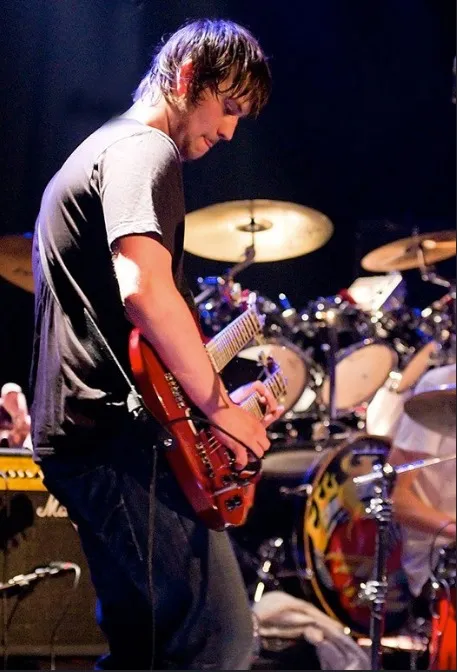
There’s something irreplaceable about performing live. It’s where passive listeners become lifelong fans.
Start local. Open mic nights, small venues, acoustic sets at coffee shops—every stage counts. You never know who’s in the audience. A local radio host. A blogger. Someone who’ll tell ten friends about you tomorrow.
Live performance is also your competitive edge in an age of AI-generated music. No algorithm can replicate the energy of a human being pouring their soul out on stage.
6. Build a Home Base (Your Website)
Social media platforms come and go. Algorithms change overnight. But your website? That’s yours.
Create a professional, mobile-friendly site where fans can find everything: your music, tour dates, merchandise, and a way to join your mailing list. That email list is incredibly valuable—it’s a direct line to your most dedicated fans, unfiltered by any algorithm.
Keep it updated. Make it reflect who you are as an artist.
7. Stay Consistent (But Sustainable)
Consistency builds anticipation. When fans know you’re actively creating, they stay engaged. They look forward to what’s coming next.
But here’s the caveat: sustainable consistency beats burnout every time. Release music at a pace that lets you maintain quality and your sanity. A steady stream of authentic work will always outperform rushed content.
Your fans would rather wait for something great than get something forgettable.
8. Consider Professional Help (When It Makes Sense)
If you have some budget, a music promotion service or PR professional can open doors you didn’t know existed. They have industry connections, playlist contacts, and expertise in getting music heard.
Do your research. Look for services with proven track records and transparent practices. The right partner amplifies your efforts; the wrong one wastes your money.
The Real Secret: Be Authentically You
Here’s what no promotion guide can teach you: there’s no formula that works for everyone. What resonates for one artist might fall flat for another.
The only universal truth? Stay authentic. Your unique voice, your story, your humanity—that’s what sets you apart in a world increasingly flooded with generic content.
Promotion isn’t about becoming someone you’re not. It’s about finding more people who connect with who you already are.
Every musician you admire started exactly where you are now. They faced the same doubts, the same challenges, the same empty rooms before the full ones. Keep creating. Keep sharing. Keep showing up.
Your audience is out there. They just haven’t found you yet.