Why Most “Music Promotion” Advice Is Outdated Garbage

The internet has completely rewritten the rules of breaking as an artist. Ten years ago you needed a label, radio play, or a lucky MySpace feature. Today, a bedroom producer with 200 real fans who actually care can make a full-time living while a “viral” artist with 500k fake followers starves. The difference is strategy, consistency, and understanding how modern platforms actually work in 2025.

Choosing the Right Platforms (Stop Wasting Time on All of Them)

Trying to be everywhere is the fastest way to burn out and achieve nothing. In 2025 the landscape has consolidated:

  • TikTok – still the discovery king. One 15-second clip can change everything.
  • Instagram Reels + Threads – where visual artists and storytellers live.
  • YouTube Shorts + long-form – the only platform that still pays meaningful money directly to creators.
  • Twitter/X – niche communities, real-time conversation, and industry networking.
  • Facebook – mostly dead for organic reach unless you already have an older audience or run very targeted ads.

Pick two home bases maximum. For most new artists in 2025 that’s TikTok + Instagram. Everything else gets cross-posted automatically using tools like Later or Metricool.

Professional Photography Is No Longer Optional

Your face is your logo. Blurry iPhone selfies scream “hobbyist.” One good photoshoot (even $300–600) pays for itself in perceived legitimacy. Book a photographer who shoots musicians, not weddings. You need:

  • One killer portrait for all profile pictures
  • Three lifestyle shots that feel authentic to your genre
  • Vertical 9:16 shots optimized for Reels/TikTok
  • Black-and-white variants and cropped versions ready

Use the exact same profile photo and banner across every platform. Consistency builds instant recognition.

Building a Cohesive Visual Brand Without a Designer

Fans should recognize your content in 0.2 seconds while scrolling. Create a simple brand kit:

  • Two main colors + one accent color
  • One font for titles (use Canva or CapCut templates)
  • Consistent filters or LUTs on all photos/video
  • Always overlay your artist name or logo subtly in the same corner

Tools like Canva Pro ($12/month) or CapCut’s brand kit feature make this brain-dead easy. Spend one afternoon setting it up and never think about it again.

The Only Three Types of Content That Move the Needle

Successful artists post three categories only. Everything else is noise.

1. Documenting (70% of posts)

Show the process, not the polish. Fans follow humans, not finished products.

  • 30-second clip of writing lyrics on the bus
  • Voice note of a rough idea that became your single
  • Failed takes and laughing at mistakes
  • Setting up for a tiny show with 20 people

This builds trust and makes the eventual release feel earned.

2. Educating (20% of posts)

Share what you’ve learned. This positions you as an authority and helps younger artists who then become evangelists.

  • “Here’s the exact vocal chain I used on my last single”
  • “How I booked my first 5 opening gigs with cold email”
  • “Why I stopped obsessing over Spotify playlists”

3. Entertaining (10% of posts)

High-production memes, skits, duets, trends, or absurd concepts that make people stop scrolling. These are your lottery tickets for virality.

The 3 Core Themes Method (Never Run Out of Ideas Again)

Pick three pillars that overlap with your music and personality. Example for an indie-folk artist:

  1. Mental health & vulnerability
  2. Small-town life vs. city dreams
  3. Old guitars & vintage gear

Every single post must fit at least one pillar. This creates a recognizable feed and attracts a specific tribe instead of random people.

Posting Schedule That Actually Works in 2025

Forget “post 5 times a day.” Algorithms now reward depth over frequency.

  • TikTok/Reels: 4–7 times per week (quality over quantity)
  • Instagram feed: 3–4 times per week (carousel posts perform best)
  • YouTube: 1 long-form + 2–3 Shorts per week
  • Stories daily (even if it’s just a poll or repost)

Post when your audience is actually online (check Insights). For most artists that’s 7–9 PM in their target time zones.

Finding Your Real Voice (Not the Fake “Relatable” One)

The paradox: the more specific and weird you are, the more people relate. Stop trying to sound like every other artist. Talk like you talk to your best friend at 2 a.m. If you swear, swear. If you’re awkward, lean into it. Authenticity reads instantly in 2025 — AI content and fake relatability get ignored.

Why You Still Need a Website in 2025

Social platforms are rented land. One wrong post and your account disappears with all your followers. A simple website (Carrd, Bandzoogle, or even Linktree Pro) is your owned hub containing:

  • All streaming links in one click
  • Email capture (more on this)
  • Show dates
  • Merch
  • Press kit for bloggers and playlist curators

Building an Email List (Still the Highest-ROI Activity)

1000 true fans is the goal (Kevin Kelly’s theory still holds). Email converts 10–30x better than social media. Capture emails by offering:

  • A secret song not on streaming
  • Free stems or instrumental versions
  • Early tickets or limited merch
  • PDF lyric book or guitar tabs

Tools: ConvertKit (free until 1k subscribers), Mailchimp, or Kits (by Patreon). Put the sign-up link in every bio, every video description, and pin it to TikTok/IG.

Making Your Music One Click Away (Friction Kills Conversion)

Never make fans hunt for the song they just heard. Use smart links (Linkfire, ToneDen, or free ones like Hypeddit) that detect the user’s country and default to their preferred platform. Put this link:

  • In every caption
  • As the first link in bio
  • On screen in every video (top 10% and bottom 10% of frame)

Collaboration Is the Cheat Code

The fastest growth comes from borrowing audiences. Start small:

  • Duet or stitch smaller creators in your niche
  • Offer free features or remixes
  • Co-write on Twitch or Instagram Live
  • Jump on genre-specific Discord servers and actually participate

One collab with someone who has 10k engaged followers beats 50 solo posts.

Analytics: What Actually Matters

Vanity metrics (followers, likes) mean nothing. Track:

  • Link clicks → streams/saves
  • Save rate on TikTok/IG (above 8% is excellent)
  • Email open rates (above 40% is healthy)
  • Percentage of audience that watched 60%+ of a video

Double down on whatever moves these numbers.

Paid Ads on a $50 Budget

Organic reach is harder but not dead. When you do spend money:

  • Spark Ads on TikTok (boost your best organic post)
  • Instagram Reels ads targeting lookalike audiences of your current followers
  • Retarget people who visited your smart link but didn’t stream

$5–10/day on a proven video can 10x results.

The Mindset Shift That Separates Pros from Hobbyists

Treat social media like your job, not your diary. Every post should either:

  1. Deepen connection with existing fans, or
  2. Convince a new person to hit follow and check your music

Post with intention. Batch content weekly. Schedule everything. Respond to comments in the first hour. Treat the algorithm like a venue owner — stay in its good graces and it keeps sending people to your show.

Final Checklist Before You Post Anything

  • Does this fit one of my three core themes?
  • Is my artist name clearly visible?
  • Is there a clear call-to-action (listen, save, pre-save, comment)?
  • Is the smart link in the caption and on screen?
  • Would I stop scrolling if I saw this?

If yes to all five, hit post.

Start today. The artists who win in 2025 are the ones who treat social media as their primary instrument — not a side hustle. Play it well, play it consistently, and the audience will find you.

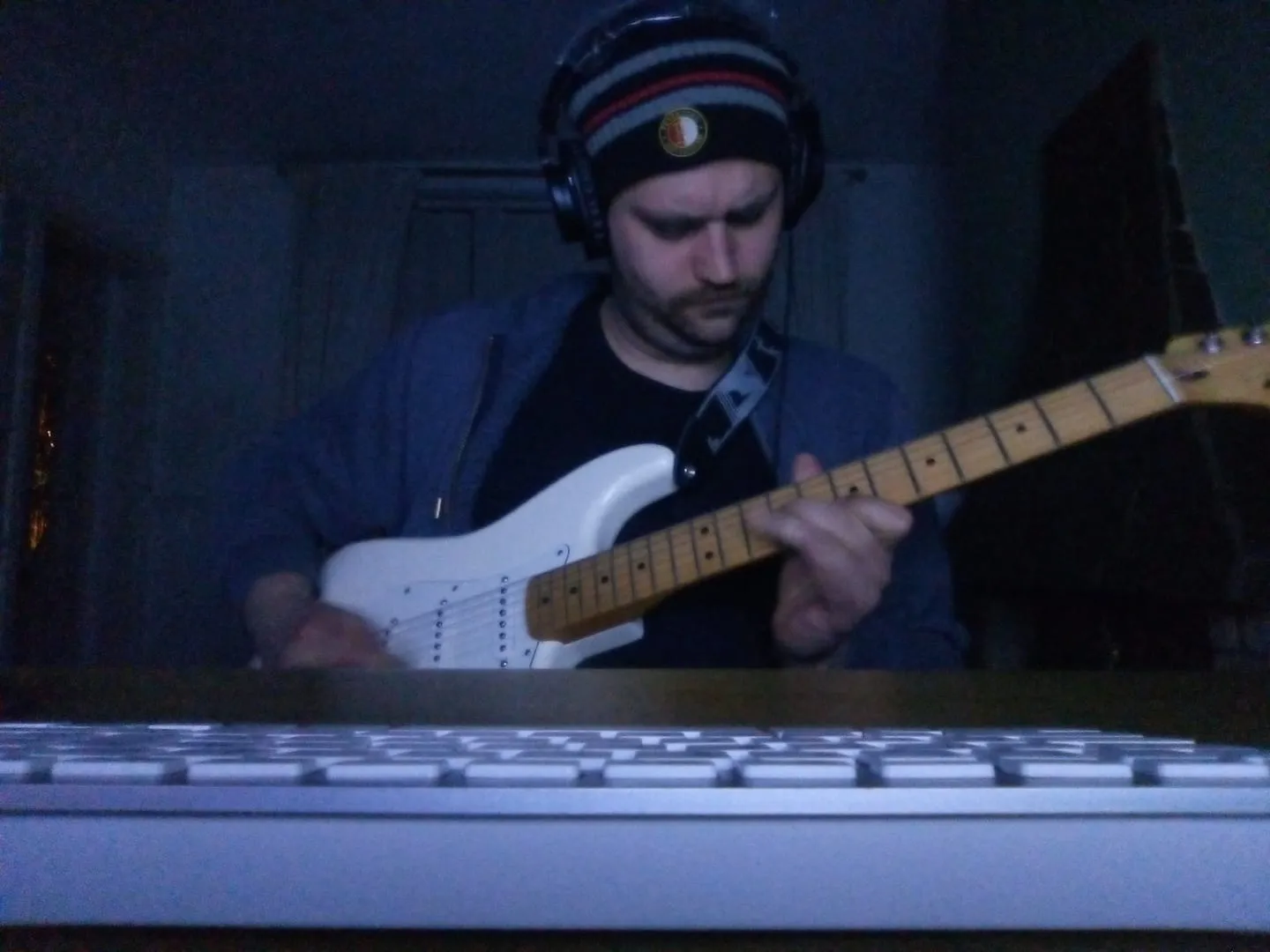
I’m an independent rock artist with a day job, a bedroom studio, and a stubborn belief that good songs still matter. Like most of you, I release music on Spotify, Apple Music, Bandcamp, and anywhere else that will take it. I’m not famous. I’m not even “micro-famous” yet. But over the last couple of years I’ve managed to turn my Twitter (now X) account from a ghost town into a place where real fans, other musicians, playlist curators, and even a few industry people actually hang out and talk to me.

None of this happened by luck or by paying for bots. It happened because I finally stopped treating Twitter like a billboard and started treating it like the world’s biggest green room. Here are the five things that actually moved the needle for me—and that I believe can work for any indie musician who’s willing to put in consistent, human work.

I. Master Your Bio (Because It’s Your Shop Window)

Your bio is 160 characters of prime real estate. It’s the first (and sometimes only) thing people read before deciding to follow you or click away forever.

A bad musician bio:
“Musician | Dreamer | New single out now 👇 linktr.ee/xyz”

A good one tells someone who you are, what you sound like, and why they should care—all in one breath.

Examples that work:

  • “Gritty rock songs for people who still believe guitars can save the world. New album ‘Static Prayer’ out now.”
  • “One-man riff machine. Think QOTSA meets Elliott Smith in a dive bar. Latest single ‘Gravedigger Heart’ streaming everywhere.”
  • “Indie rock from the frozen north. Dad by day, loud by night. Bandcamp Fridays = new music.”

Put the most distinctive thing about your music right up front. Use one or two genre tags or vibe words (not ten). Add a specific call-out about your latest release so it’s always fresh. And yes—use emojis sparingly if they fit your personality. A tiny ⚡ or 🎸 is fine. A fruit salad is not.

II. Become a Professional Commenter (The Fastest Way to Get Noticed)

Liking tweets is invisible. Retweets are nice. Comments are gold.

Every comment you leave is a mini-audition in front of someone else’s audience. Do it right ten times a day and you’ll wake up to new followers who already feel like they know you.

My routine:

  1. I keep a private Twitter list called “Scene” with 100–150 accounts: other indie rock artists, playlist curators, music blogs, labels I admire, producers, venues, fans who always leave thoughtful comments, etc.
  2. Every morning and evening I scroll that list for 10–15 minutes and leave genuine, specific comments. Not “Great track!” but “That bend at 2:13 is filthy—how did you get that tone?” or “This lyric about the night shift just punched me in the chest.”

People remember thoughtful comments. They check your profile. They hear your music. I’ve had playlist adds, guest-list spots, and even a couple of paid sync placements start with nothing more than a good comment.

III. Tweet Regularly—But With a Brain

You need momentum. The algorithm likes active accounts, and so do humans.

My sweet spot: 3–6 tweets per day, scheduled so I’m not chained to my phone. I use Publer (free tier is fine) and batch-create a week’s worth every Sunday night while watching a movie.

Typical daily mix for me:

  • 9–11 am: something personal or funny (photo of my cat on my pedalboard, a failed guitar string change, coffee + distortion pedals)
  • 1–2 pm: music-related value (quick production tip, gear photo, “here’s the isolated vocal take—yes I double-tracked everything myself”)
  • 6–8 pm: release-focused or engagement post (new single teaser, poll: “Which riff should I use for the next song?”, link to Bandcamp Friday drop)

If something huge is trending that actually connects to my world, I’ll jump in with my take. Those tweets still perform best.

IV. Retweet Generously (Karma Is Real on This App)

Retweeting is the easiest way to make friends who can change your career.

Every time I hear a great new indie track, I retweet it with a real comment (“This riff is exactly what 2025 needs”). Nine times out of ten the artist follows back, says thanks, and now we’re mutuals. A few months later they’re asking me to hop on their livestream, or submitting my song to the same playlist curator, or inviting me to play a show together.

I aim for 5–10 generous retweets a day. It costs nothing and builds the exact community I want to be part of.

V. Mix Your Content Like You Mix a Record

If every tweet is “New single out now! 🔥🔥🔥 link in bio,” people tune out fast.

My current ratio that seems to work:

  • 30% music releases & behind-the-scenes
  • 25% genuine personal life (dog, day job absurdities, being 35 and still chasing this dream)
  • 20% useful stuff for other musicians (how I got 1,000 Spotify streams with zero budget, my $200 pedalboard that slays, why I still use a Tascam Portastudio in 2025)
  • 15% pure jokes or hot takes
  • 10% interacting with bigger accounts or trends

Change formats too: one-liners, carousels, short videos of new riffs, 6-tweet threads about how I wrote a specific song, voice memos, polls, photos of scribbled lyric sheets. Variety keeps the timeline alive.

Final Thought

None of this is revolutionary. It’s just consistent, human, slightly stubborn work—the same qualities that got us to write and record entire albums in the first place. Twitter (X) is still one of the only places where a kid in Nebraska can talk directly to a playlist editor in Berlin or a booking agent in London without a manager or a label. Treat it like the powerful tool it is.

Start with one pillar this week. Fix your bio today—it takes five minutes and pays dividends forever. Then add the next.

And if you got something out of this post, quote-tweet it with your own best Twitter tip. Let’s keep the conversation going.

Rock isn’t dead. It’s just sleeping in on a Monday because it has a day job.

See you in the mentions.